
Cloth seat covers, neoprene seat covers, vinyl or PVC seat covers, synthetic leather covers, and eco-leather seat covers each solve a different piece of the protection problem for the 2027 Chevrolet Silverado 1500. Each one comes with a trade-off worth knowing before you buy. This blog helps compare the best seat cover options for a 2027 Chevrolet Silverado 1500.
5 Best Seat Cover Materials for a 2027 Chevrolet Silverado 1500
Each seat cover material solves a different part of the protection problem, so comparing them only by price can hide the compromises that matter during everyday use. For a Silverado 1500, water resistance, breathability, durability, comfort, and upkeep all affect whether a seat cover remains practical over time.
1. Cloth Seat Covers: Comfortable, but They Inherit Cloth's Weaknesses
Cloth covers feel soft and breathe well, which makes them a reasonable pick for daily comfort. The problem is they absorb spills and odors the same way factory cloth does. That happens on a removable layer instead of the seat itself, which is the one real advantage. Types of seat covers chosen for comfort and easy cleaning run into this same tradeoff. Cloth and leather car seats age differently, but a cloth cover still needs regular washing to stay clean itself, which is more upkeep than most truck owners want.
2. Neoprene Seat Covers: Waterproof, but Stiff and Hot
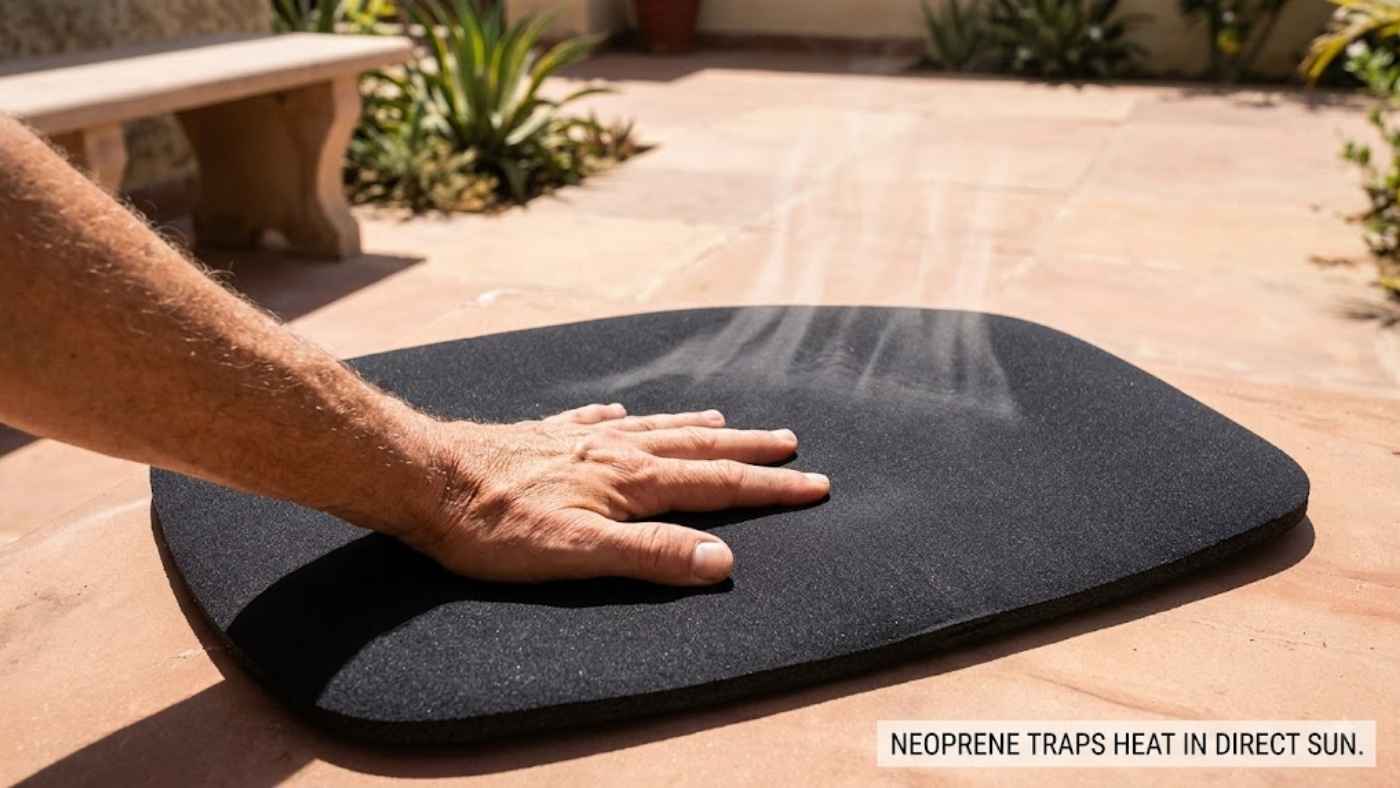
Neoprene, the wetsuit material, resists water well and holds up to a genuinely wet or muddy environment. Our blog about Neoprene versus leatherette seat covers lays out the real comparison. Neoprene doesn't breathe, so it traps heat in direct sun. It also has a stiffer feel than most owners want for a daily driver. It's a strong pick for a truck that spends real time outdoors and wet. It's less of a fit for a commuter truck that mostly sees pavement.
3. Vinyl or PVC Seat Covers: Cheap and Wipeable, but They Crack
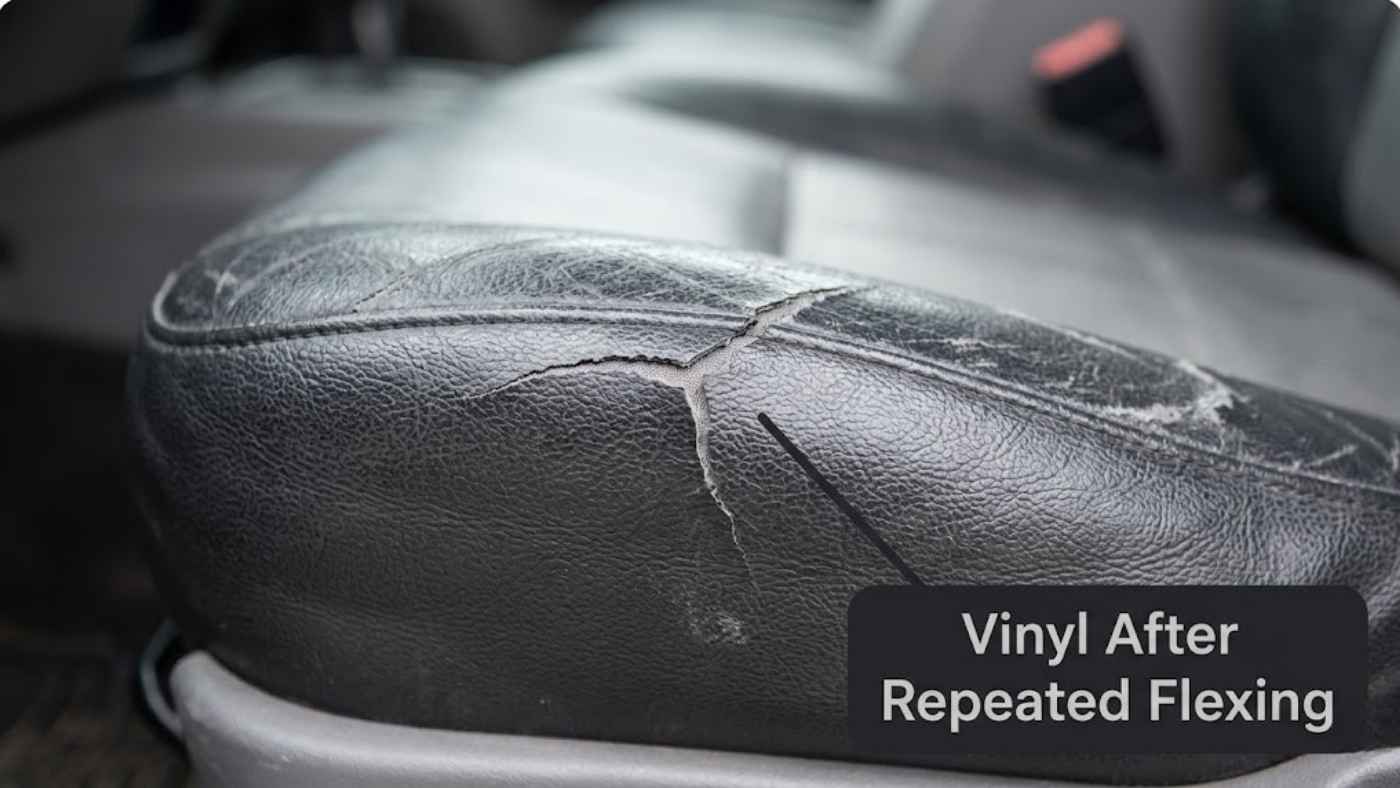
Vinyl covers wipe clean easily and cost less upfront than most alternatives. That's the appeal, and it's a real one. The tradeoff shows up over time. Vinyl cracks under repeated flexing and UV exposure, the same weakness factory vinyl seats have. A vinyl cover often looks fine for the first year and visibly ages by the third, especially on a truck that sees regular sun.
4. Synthetic Leather Seat Covers: A Wide Quality Range That's Easy to Get Wrong
"Synthetic leather" seat covers a huge range of actual products, from thin pleather that cracks within a year to genuinely durable engineered materials. Our guide on synthetic versus real leather breaks down why this category is the hardest one to shop blind, since the label alone doesn't tell you which end of that range you're getting. This is also where luxury leather versus budget fabric pricing gets confusing, since two products can carry similar prices with very different actual construction underneath.
5. Eco-Leather Seat Covers: Where the Other Four Categories' Strengths Land Together
Eco-leather is a specific, purpose-built synthetic leather, not the same broad category as generic pleather. It wipes clean like vinyl, without the cracking, since the perforated construction flexes instead of splitting under repeated use. It resists water like neoprene, without trapping heat, since the perforation lets air pass through. It doesn't need the washing routine cloth seat covers require. Seven reasons eco-leather works as a seat cover material goes through each of those properties individually.
How the Five Materials Actually Compare
| Material | Water Resistance | Breathability | Long-Term Durability | Upkeep Required |
|---|---|---|---|---|
| Cloth | Poor | Strong | Moderate, wears with washing | High, needs regular cleaning |
| Neoprene | Strong | Poor, traps heat | Strong | Low |
| Vinyl/PVC | Strong | Poor | Weak, cracks over time | Low |
| Synthetic leather (generic) | Varies widely | Varies widely | Varies widely | Low to moderate |
| Eco-leather | Strong | Strong | Strong | Low |
How to Choose the Best Seat Cover Material for Your Silverado 1500
None of the first four materials are wrong choices exactly. Each solves a real problem for a specific situation. A cloth cover on a truck that never sees rain is fine. Neoprene makes sense for a truck used for genuinely wet outdoor work. The issue is that most Silverado 1500 owners want one cover that handles daily driving, occasional weather, and years of use without a specific tradeoff hurting them later. Whether a slip-on cover is actually a smart choice for a truck raises a similar question about convenience versus long-term fit. Eco-leather is the material built around that broader use case rather than one narrow strength, which is why it comes out ahead once you compare the categories side by side instead of picking based on price or a single feature.
How to Get the Right Seat Cover Fit for a 2027 Chevrolet Silverado 1500
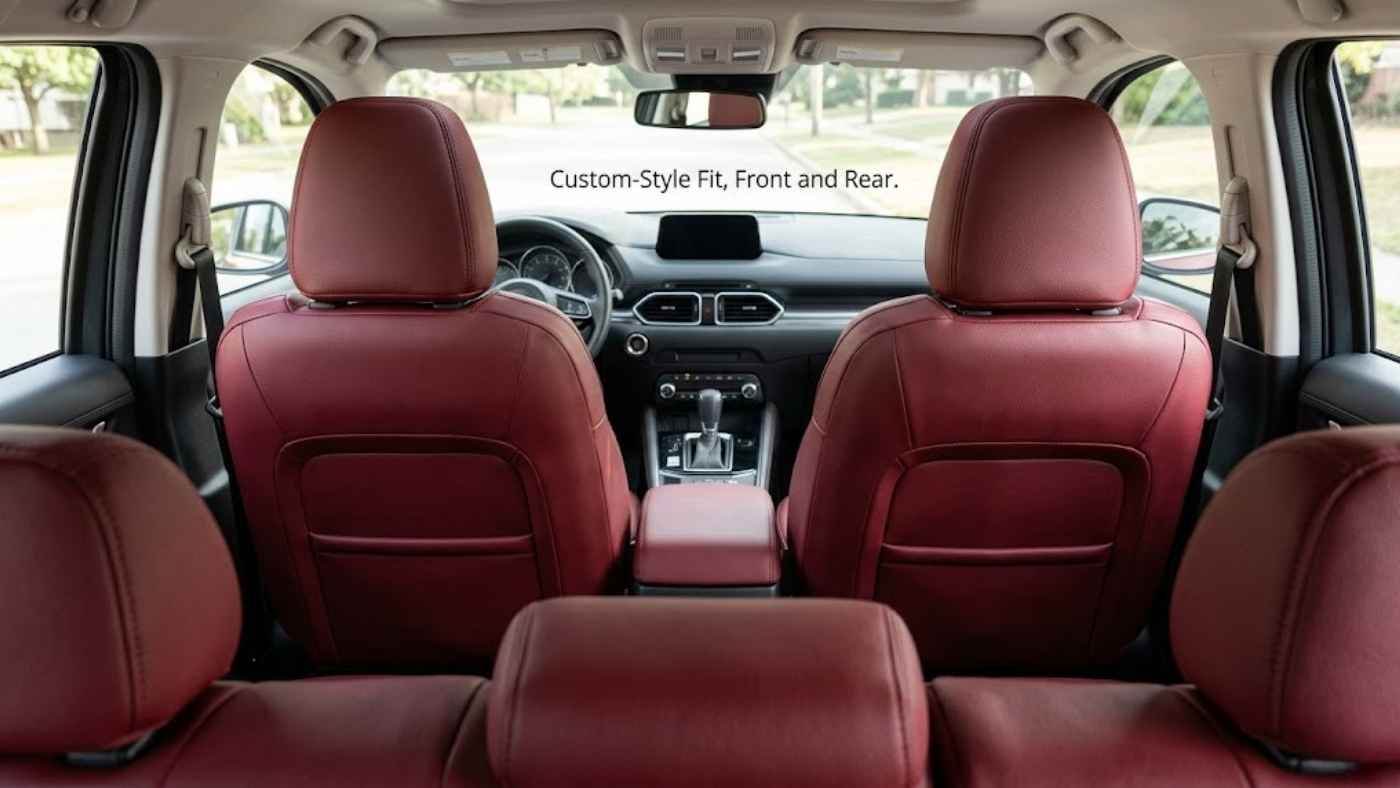
Custom-style seat covers built around your exact Silverado 1500 trim fit correctly regardless of which material you land on, while a universal seat cover pattern undermines even the best material by leaving gaps or excess fabric. Finding your Silverado's trim color code confirms your exact seat configuration before you order, and every custom-style eco-leather pattern is checked against the factory airbag deployment zone, so fit and safety are handled together, not as separate concerns.
Conclusion
Cloth, neoprene, vinyl, and generic synthetic leather each solve one piece of the seat protection problem while giving something else up. Eco-leather is worth the comparison because it's the one material built to avoid picking a single tradeoff, wiping clean without cracking, resisting water without trapping heat, holding up for years without a washing routine. For a 2027 Chevrolet Silverado 1500 driven the way most trucks actually get driven, daily commuting mixed with real work and real weather, that combination is what actually earns the recommendation rather than just asserting it.
Shop Eco-Leather Seat Covers for Your 2027 Chevrolet Silverado 1500
Frequently Asked Questions
Is neoprene actually better than eco-leather for a truck used outdoors?
Neoprene resists water well, which makes it a reasonable choice for consistently wet conditions, but it traps heat and feels stiffer than eco-leather across daily use. Eco-leather matches neoprene's water resistance while staying breathable, which is why it holds up better across a wider range of conditions rather than excelling at just one.
Why do vinyl seat covers crack over time if they resist water so well?
Vinyl's water resistance comes from a sealed, non-porous surface, but that same sealed construction is what makes it stiff and prone to cracking under repeated flexing and UV exposure. Eco-leather's perforated construction avoids that stiffness while still resisting water.
Is all synthetic leather the same quality as eco-leather?
No. "Synthetic leather" is a broad category that includes thin, short-lived pleather as well as genuinely durable engineered materials. Eco-leather is a specific, purpose-built version of synthetic leather designed around durability and breathability, not a generic label.
Does a cloth seat cover still need regular cleaning if it's protecting the factory seat?
Yes. A cloth cover absorbs spills and odors the same way factory cloth does, just on a removable layer, so it still needs regular washing to stay clean itself rather than just protecting what's underneath it.
Does material choice affect how well a seat cover fits my Silverado 1500?
Material and fit are separate decisions. Even the best material fits poorly if the pattern isn't built for your exact trim, so confirming your Silverado's trim color code matters regardless of which material you choose.
What does a full eco-leather seat cover set cost for a 2027 Chevrolet Silverado 1500?
A complete eco-leather seat cover set is $279 across every trim, backed by a 30-day return window and a 3-year warranty.